
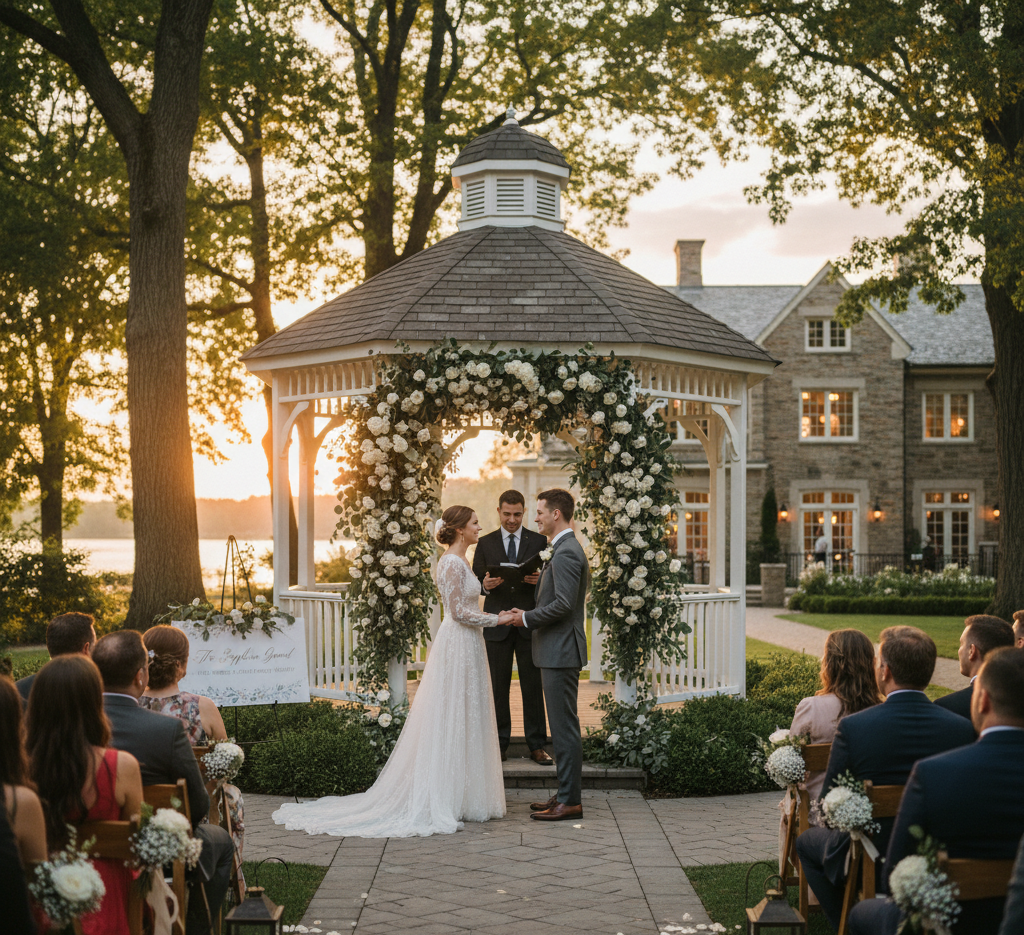
Cultural festivals are vibrant celebrations filled with music, rituals, food, and community spirit. Hosting them in outdoor wedding venues in NJ allows families to recreate traditional atmospheres while enjoying open skies and natural surroundings. These spaces provide flexibility for large gatherings, colorful décor, and live performances that may feel restricted indoors. With thoughtful planning, an outdoor setting can beautifully reflect heritage while remaining comfortable for modern guests.
Understanding the Purpose of the Festival
Every cultural festival carries emotional and spiritual meaning. Before selecting décor or entertainment, it is important to outline the goal of the event. Some celebrations focus on religious ceremonies, while others highlight dance, cuisine, or seasonal customs. Clarifying priorities helps determine the type of venue layout, stage size, and guest seating required. Outdoor locations are especially helpful when multiple activities must happen simultaneously.
Selecting a Venue That Respects Traditions
Not all outdoor spaces are suitable for cultural events. Families should look for venues that permit open-flame rituals, musical processions, or late-evening programs if these are part of the tradition. Accessibility for elders, children, and guests in traditional attire is another key factor. Ample parking and clear pathways ensure that the event remains welcoming rather than stressful.
Designing Spaces for Rituals and Performances
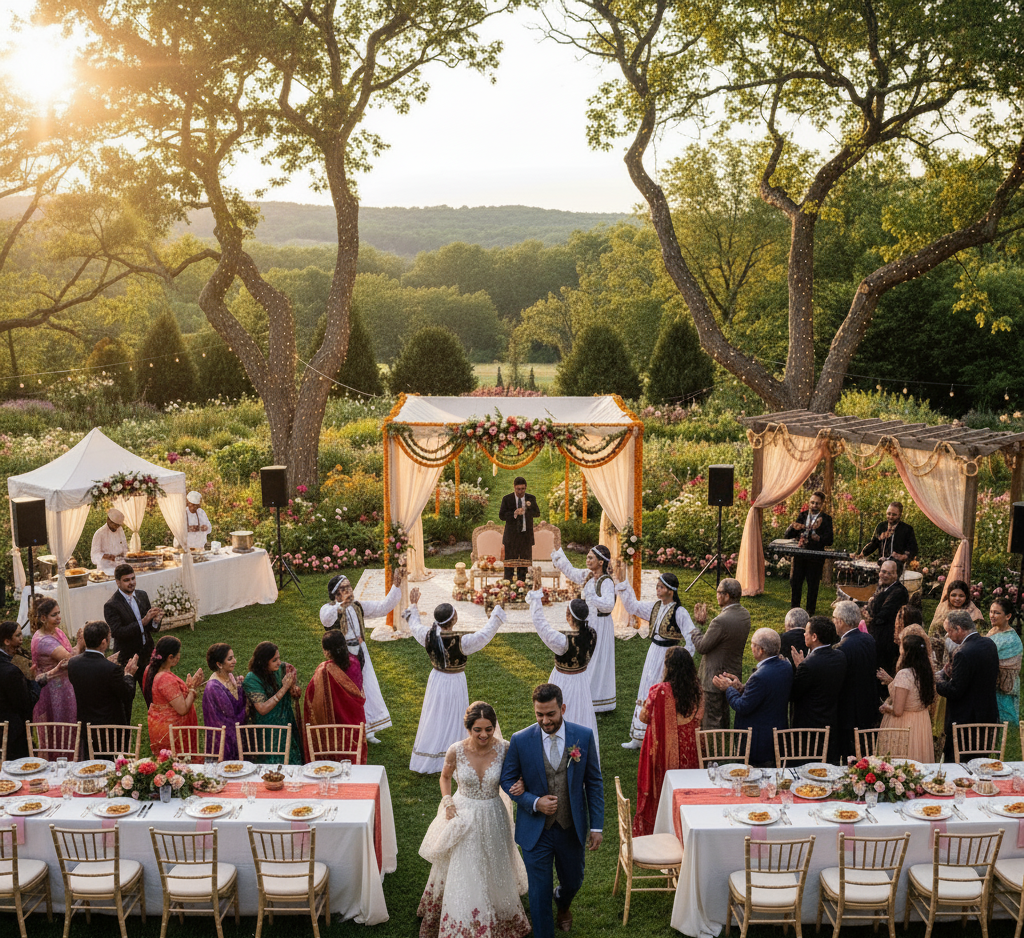
Cultural festivals usually involve several segments such as prayer areas, performance stages, dining zones, and social corners. An outdoor venue makes it easier to separate these sections without crowding. Temporary structures like canopies or decorative tents can be added to create sacred spaces. Thoughtful zoning allows guests to move freely while respecting the flow of ceremonies.
Blending Tradition with Modern Comfort
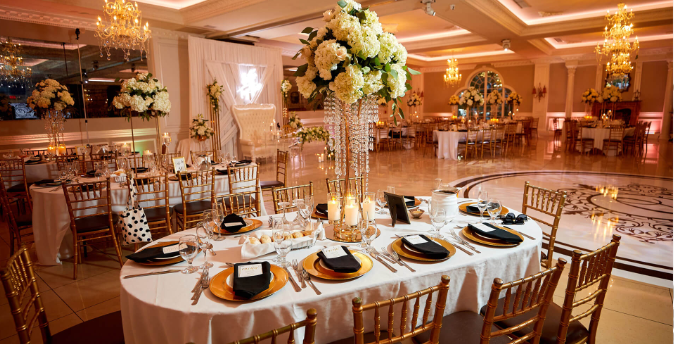
While authenticity is important, guest comfort should never be ignored. Weather-resistant seating, shaded areas, and proper lighting are essential for long celebrations. Many families worry that outdoor events may feel too casual, yet with elegant décor and organized layouts, outdoor wedding venues in NJ can appear just as refined as grand halls. Portable restrooms, heating lamps, or cooling fans can further enhance the experience.
Food Planning for Large Cultural Gatherings
Cuisine is often the heart of any festival. Outdoor settings offer room for live cooking stations, traditional sweet counters, and beverage bars. Caterers can design menus that honor heritage while accommodating dietary preferences. Buffets usually work better than plated meals because they allow guests to taste multiple dishes at their own pace. Waste management and food safety plans should be arranged in advance.
Décor Ideas That Reflect Heritage
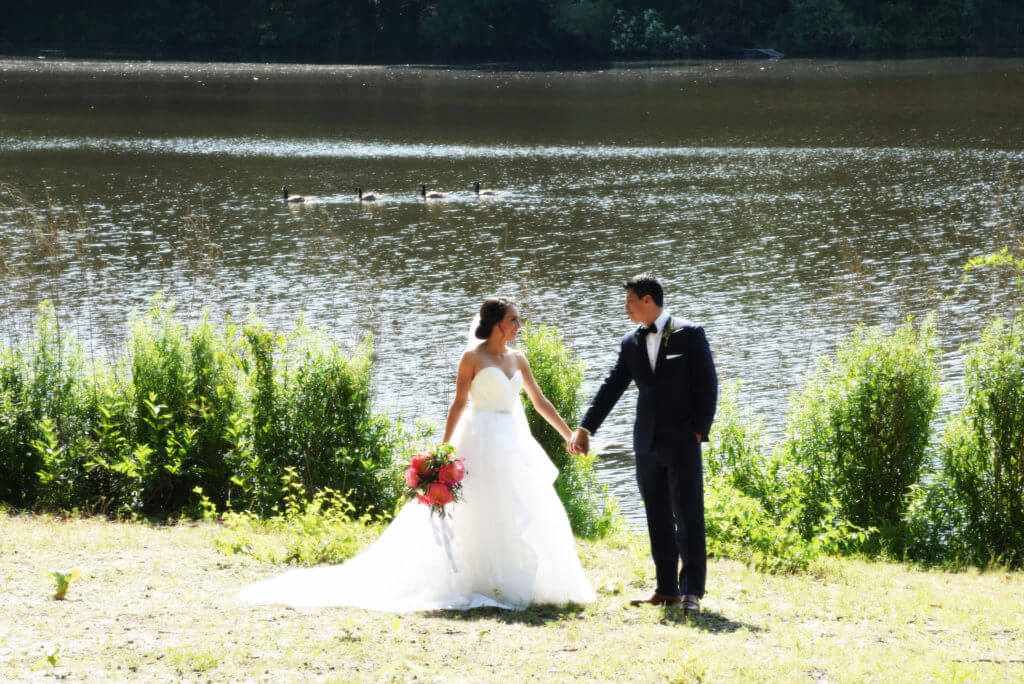
Décor should tell the story of the culture being celebrated. Consider elements such as traditional fabrics, handcrafted art, floral garlands, and symbolic colors. Natural backdrops like gardens or lakes complement these details without overwhelming them. Simple stage backdrops and entrance arches help create photo-worthy corners that guests will remember.
Popular décor additions include:
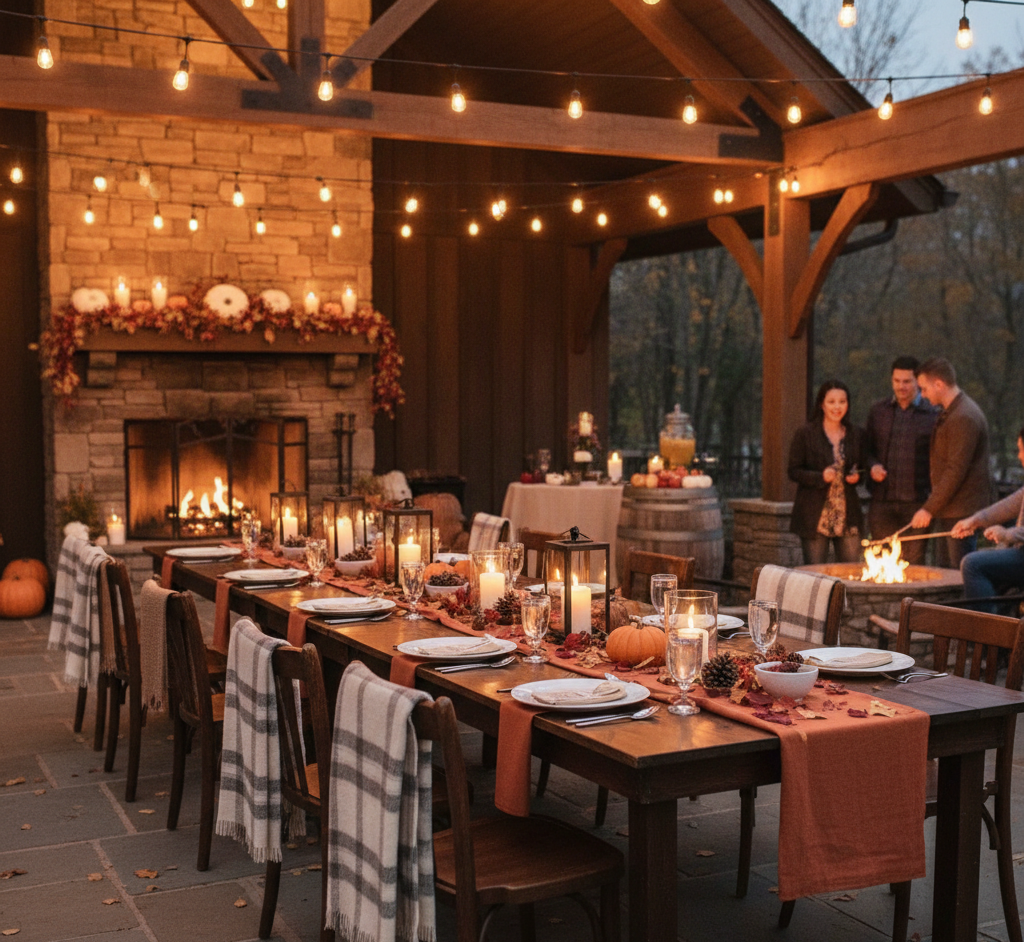
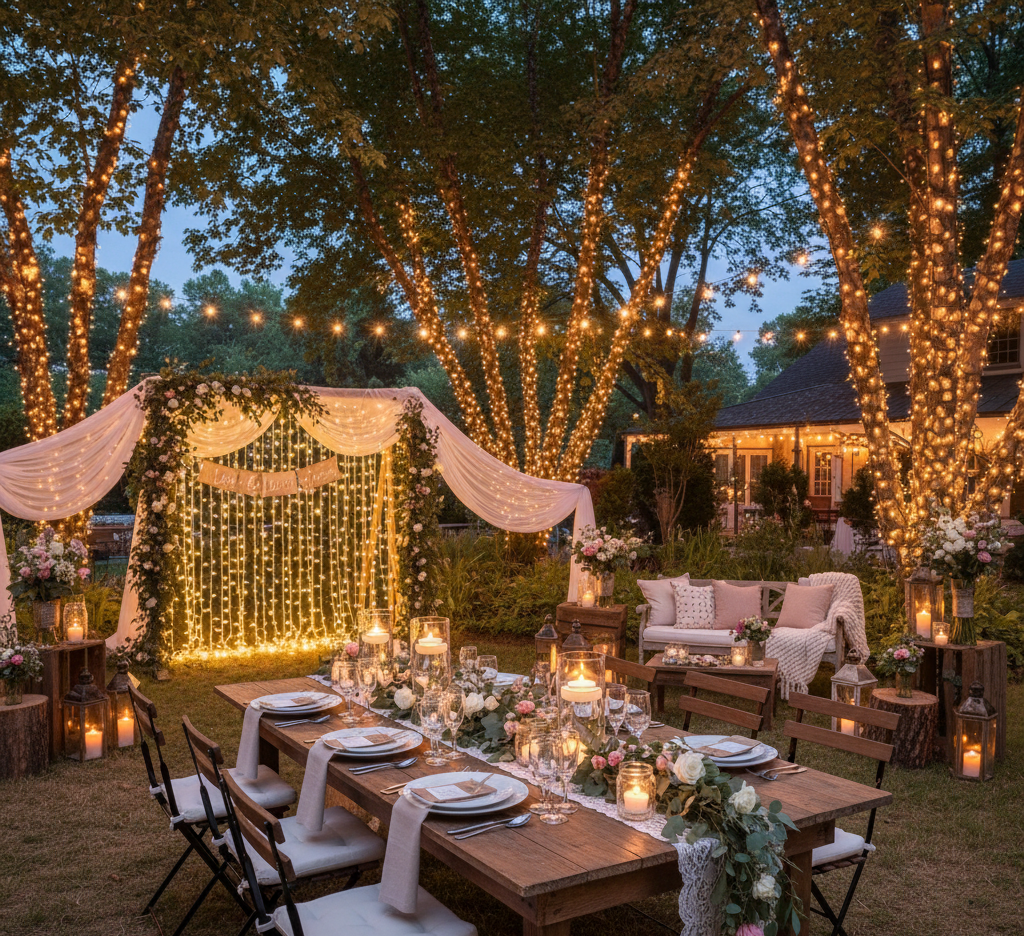
Hanging lanterns or string lights for evening warmth
Cultural motifs on welcome boards and signage
Fabric draping in traditional color combinations
Family photo displays celebrating generations
These touches personalize the venue without heavy construction.
Managing Entertainment and Sound
Music and dance are central to most cultural festivals. Outdoor venues allow room for live bands, drum processions, or folk performances. However, sound planning is essential to avoid echo or disturbance to neighbors. Professional audio teams can balance volume while keeping the atmosphere lively. Scheduling performances with short breaks also prevents guest fatigue.
Weather and Logistics Preparation
Outdoor events require backup strategies. Tents, umbrellas, and indoor alternatives should be reserved in case of sudden rain or extreme temperatures. Transportation plans for elderly guests, clear signage, and volunteer coordination make the day run smoothly. When these details are managed early, families can focus on enjoying the celebration rather than solving problems.
Creating Meaningful Guest Experiences
A cultural festival is successful when guests feel involved rather than just watching. Interactive activities such as traditional games, craft corners, or storytelling sessions bring generations together. Photo booths with cultural props, blessing stations, or community message walls add emotional value and help preserve memories.
Working with Experienced Vendors
Vendors who understand specific cultural needs are invaluable. Decorators familiar with rituals, caterers skilled in authentic recipes, and planners who respect timelines can transform an outdoor space into a meaningful cultural hub. Regular communication with the venue team ensures that permissions and safety guidelines are clearly followed.
Celebrating Heritage Under Open Skies
Hosting festivals outdoors reconnects communities with nature and tradition at the same time. The freedom of space encourages creativity, larger guest lists, and more expressive ceremonies. With careful organization, these events feel both grand and intimate, honoring the past while welcoming the futu
Begin Planning Your Cultural Celebration!
Cultural festivals deserve settings that match their energy and significance. Thoughtful coordination, respectful décor, and reliable vendors can turn any gathering into a treasured memory. If you are exploring outdoor wedding venues in NJ for your next festival, take the time to choose a space that supports your traditions and your guests’ comfort. The right venue will help your community celebrate with joy, color, and togetherness, making every ritual shine in the open air.


Write a comment ...